
Fahad
Video Editor & Designer
A city-scale, data-anchored report tracking how waste moves from homes to open dumps, where collection breaks, and how exposure spreads through drains, air, and food systems. EcoTrack connects municipal gaps with human impact so response planning can be measured, not guessed.
Visual observations and resident feedback highlight repeatable pressure points: overflow at primary collection sites, informal sorting without protection, and waste intrusion into canals during rainfall.
Hyderabad's waste chain is stressed at the neighborhood level before it reaches transfer points. When collection routes slip, the backlog becomes visible within days, pushing mixed waste into drains and alleys. These patterns are consistent across dense blocks and peri-urban corridors.
Primary collection points exceed capacity, spilling into streets and footpaths where pedestrian traffic is highest.
Recyclables are separated without PPE, increasing exposure to sharps, medical waste, and organic contamination.
Mixed waste drifts into canals and drains, reducing flow capacity and raising the risk of stagnant water and vector breeding.
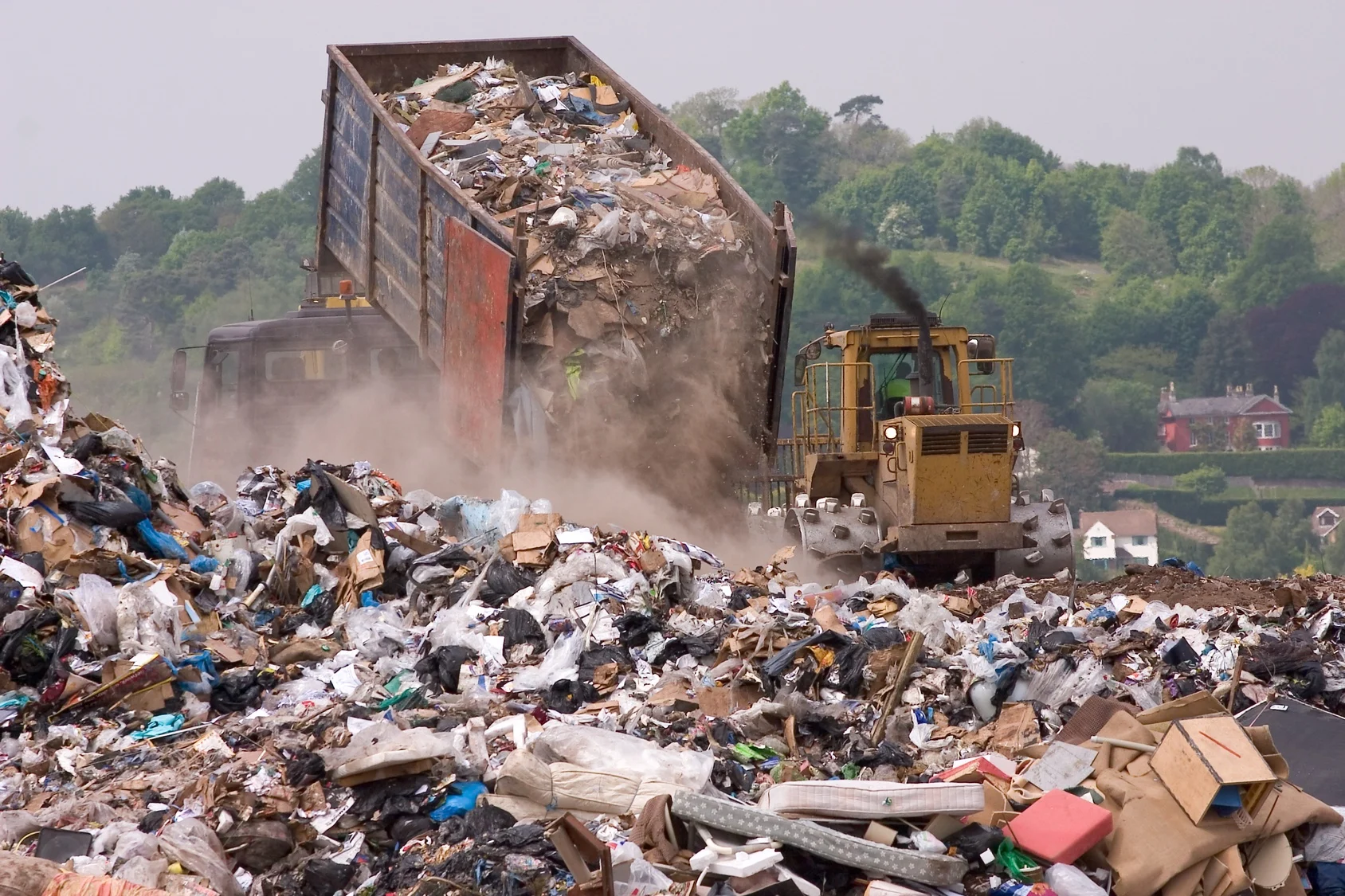
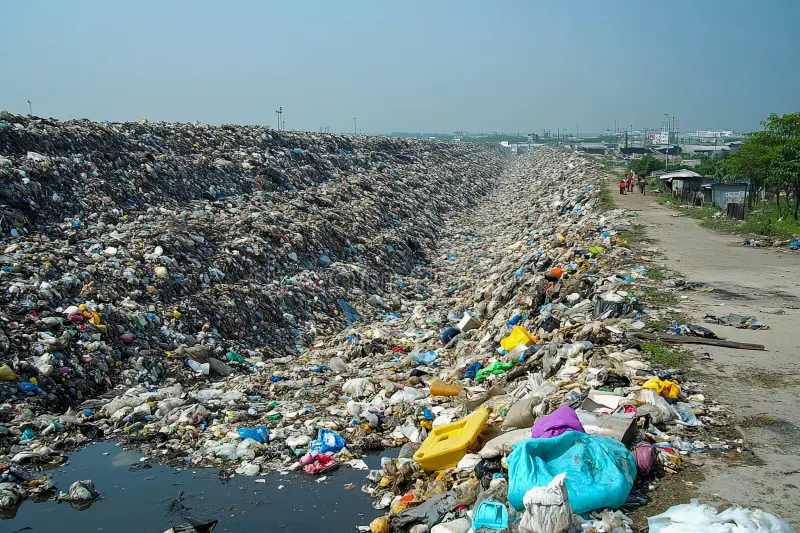
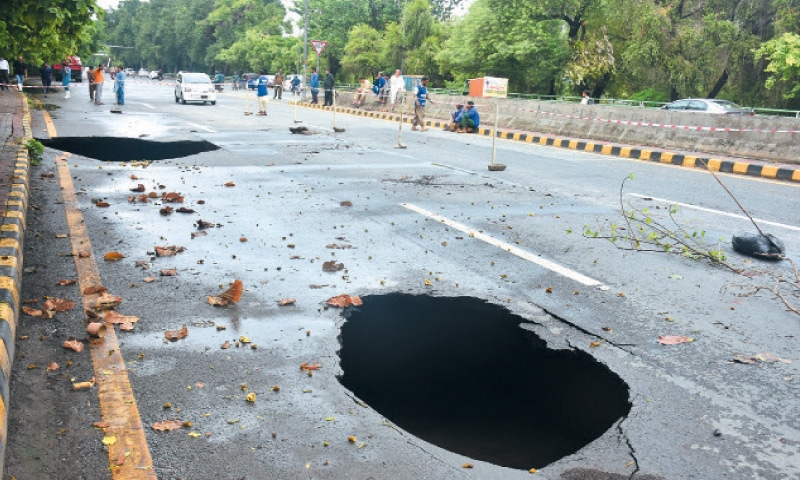
Current state of solid waste mismanagement across Hyderabad and Pakistan — consolidated from municipal records, peer-reviewed studies, and independent reporting to map the most visible gaps in collection, labor, and disposal capacity.
Generation outpaces lifting capacity in core zones, creating visible backlog within days and pushing mixed waste into drains and empty plots.
Sanitary staffing deficits reduce route frequency, limit night shifts, and slow cleanup after peak disposal days.
Limited sanitary landfills force reliance on open dumping, extending exposure to communities nearest to informal disposal grounds.
Visual breakdown of the research data, highlighting how generation trends, lifting capacity, and collection gaps translate into exposure risks and public health impacts.
Daily generation rises faster than lifting capacity, amplifying the backlog cycle. Missed pickups cascade into multiple neighborhoods.
The national collection average leaves a sizeable portion of waste in open areas, intensifying exposure in the densest parts of the city.
Reported respiratory and diarrhoeal symptoms track closely with proximity to dump sites, indicating repeated, not isolated, exposure.
Diseases observed in communities and workers near open dumping sites across Hyderabad, showing how exposure builds through contaminated water, airborne dust, and unprotected handling.
Open dumping contaminates water sources — causing cholera, typhoid and diarrhoea via faecal-oral route in low-income urban areas.
36.8% in 2 weeksDust and chemical fumes from dump sites cause chronic cough, breathlessness, and bronchitis in workers and nearby residents.
58.5% workers affectedGarbage accumulation creates breeding grounds for mosquitoes and rodents, increasing dengue and malaria in dump-adjacent areas.
Higher incidence rateFlies, contaminated groundwater, and leachate from open dumps cause conjunctivitis, skin rashes, and wound infections.
Groundwater contaminationHealth impacts intensify when mixed waste enters open water, dust is re-suspended near dumps, and workers handle refuse without protective gear. The risk is not isolated to dump sites; it travels through neighborhoods via water, air, and food markets.
A multi-layer response plan focused on closing the collection gap, protecting workers, and reducing exposure near waterways. These actions prioritize speed, accountability, and measurable outcomes.
Expand routes, add night shifts, and create contingency pickups for overflow hotspots.
Establish protected transfer hubs with segregation, signage, and controlled unloading zones.
Limit open dumping through controlled tipping, leachate barriers, and site monitoring.
Pair awareness drives with enforceable disposal guidelines and localized reporting channels.
Route audits, hotspot cleanup, worker safety training, and public reporting launch.
Transfer hub upgrades, segregation pilots, and disposal site controls with KPI tracking.
Scaling recovery, expanding sanitary capacity, and integrating data dashboards for ongoing monitoring.
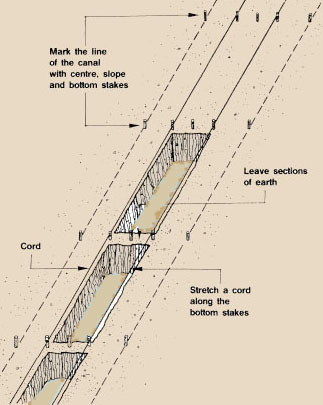
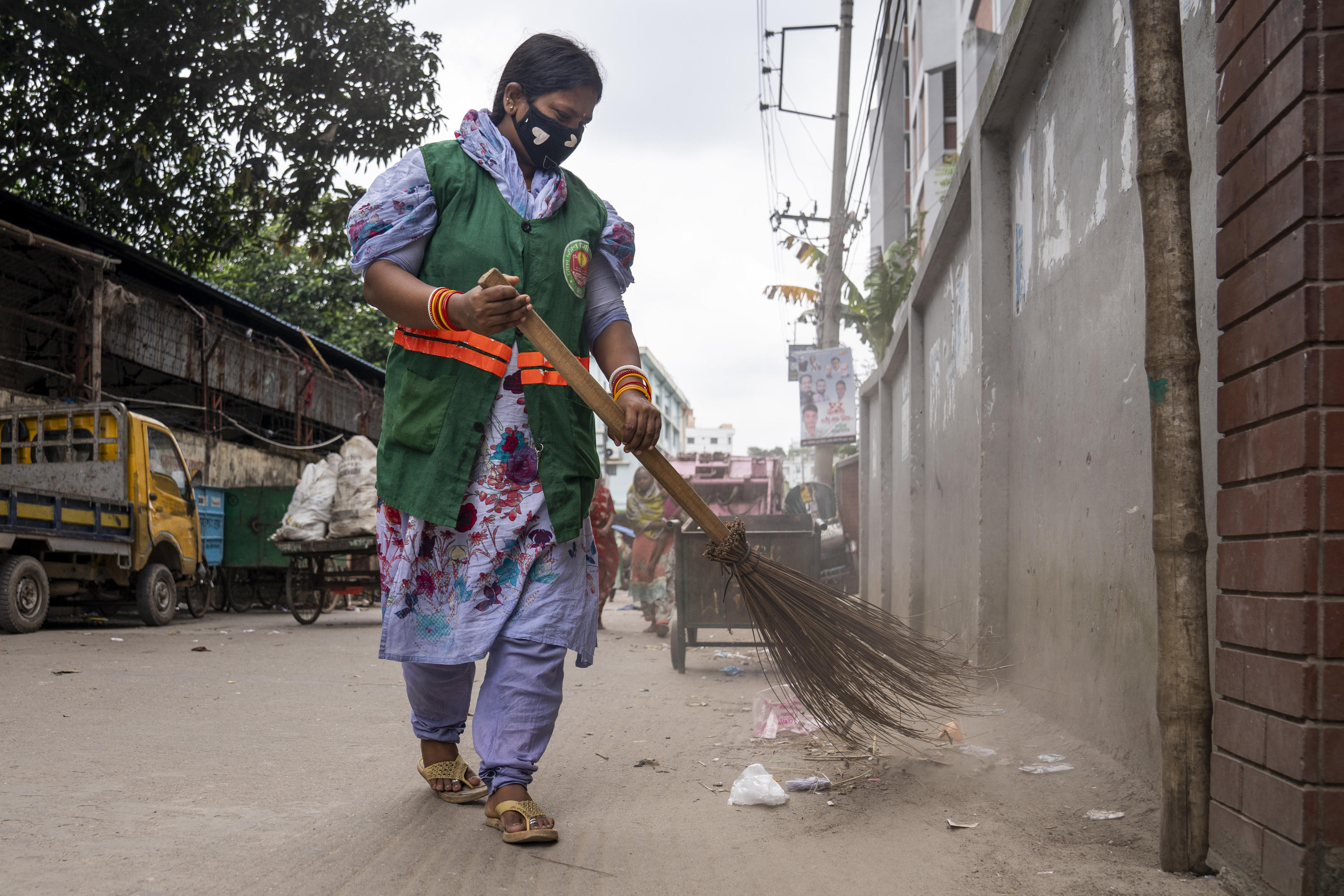
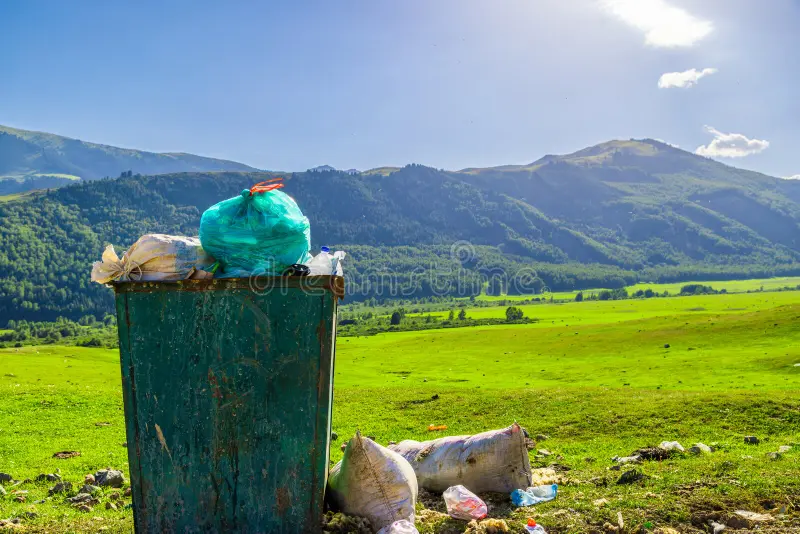
Online imagery to contextualize urban waste pressure, waterway vulnerability, and response opportunities.
Cross-disciplinary contributors aligning field evidence, data modeling, and response planning for Hyderabad.
Video Editor & Designer
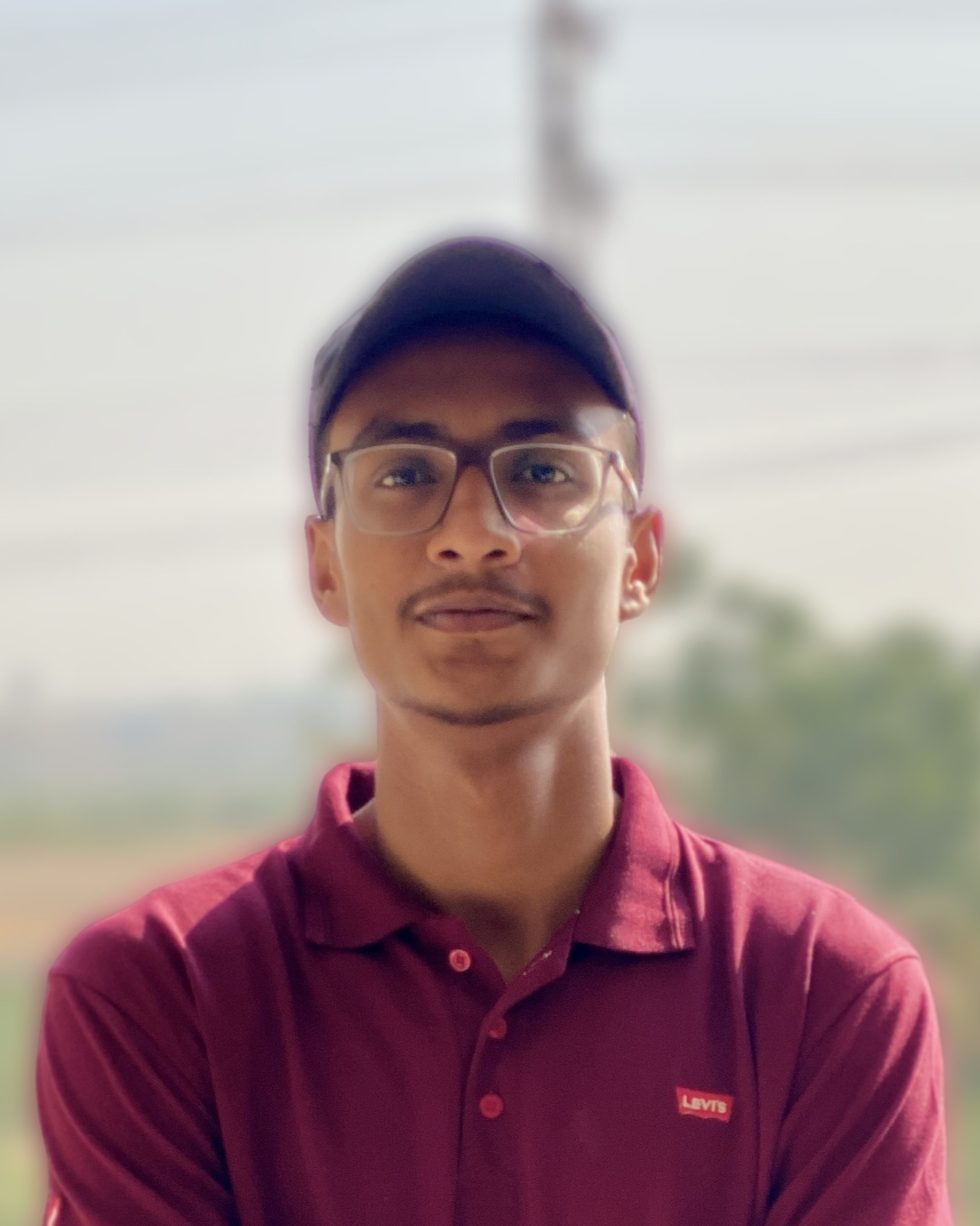
Leader & Coordinator

Created research documents
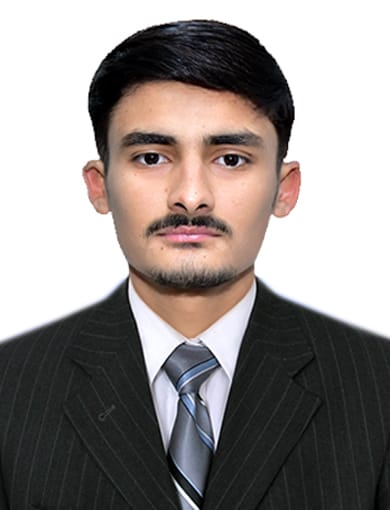
Do nothing eat 5 stars

Provided assistance
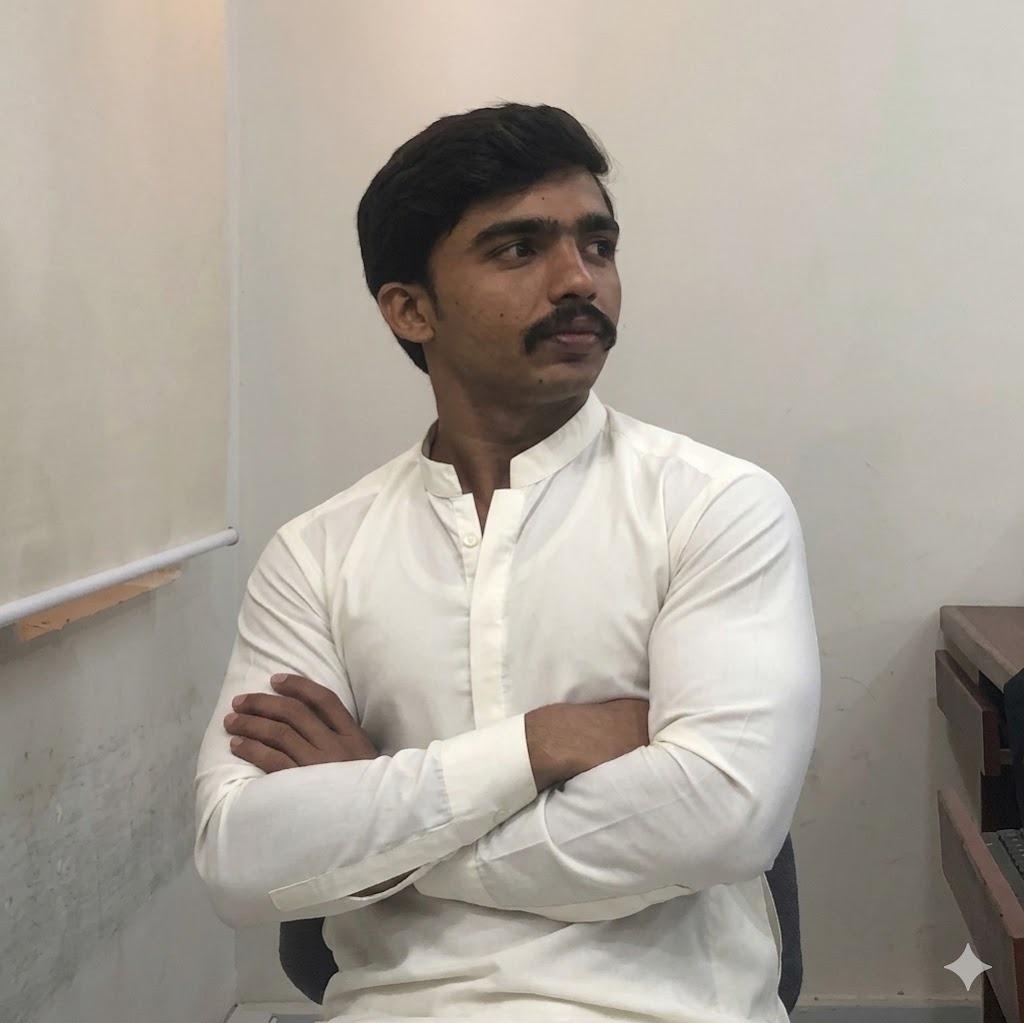
The toughest guy of group

Still finding his work
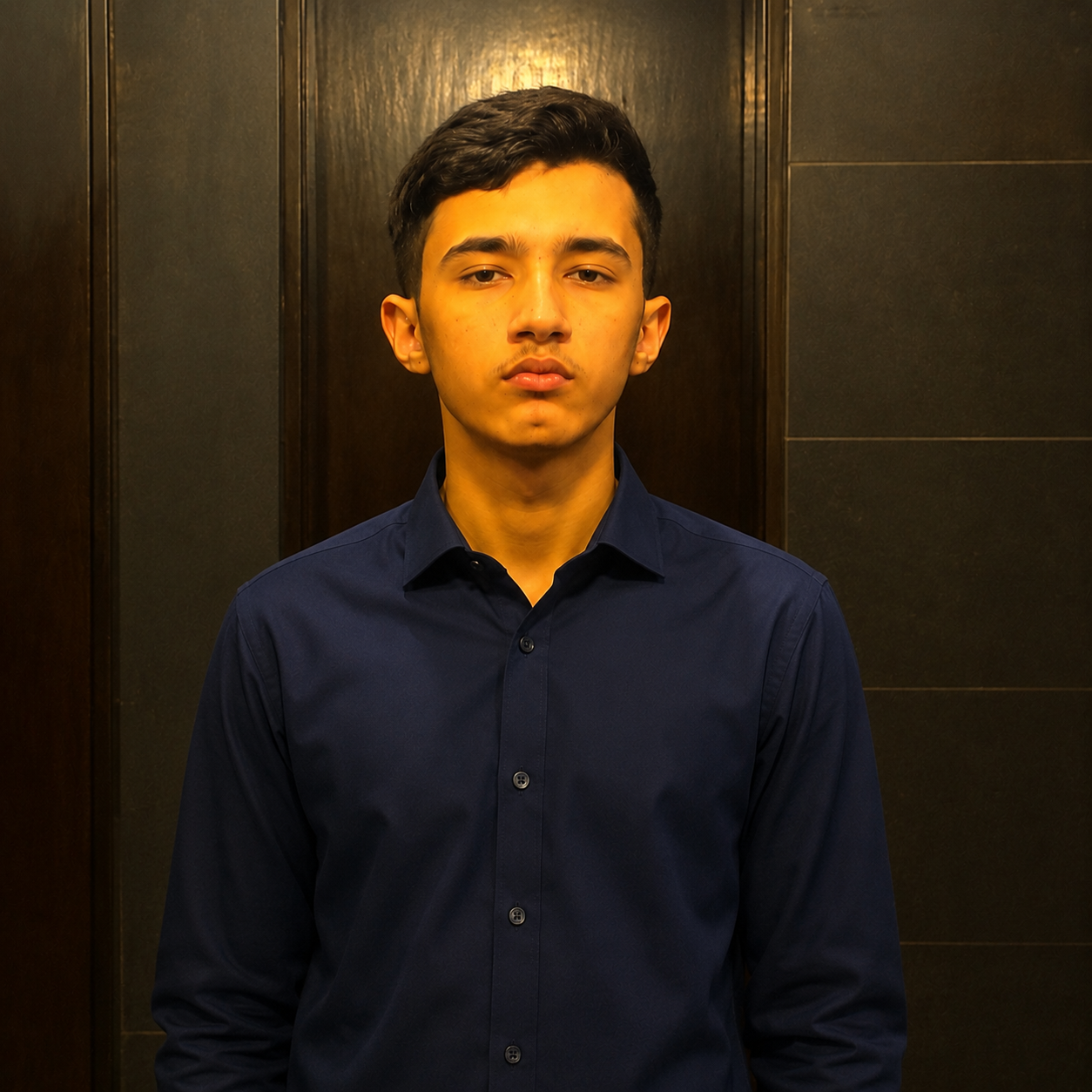
Made website

Assist Sahil Kumar in creating document

Added voice over in video
All data sourced from peer-reviewed publications, government guides, and credible news sources.